
Why It Matters
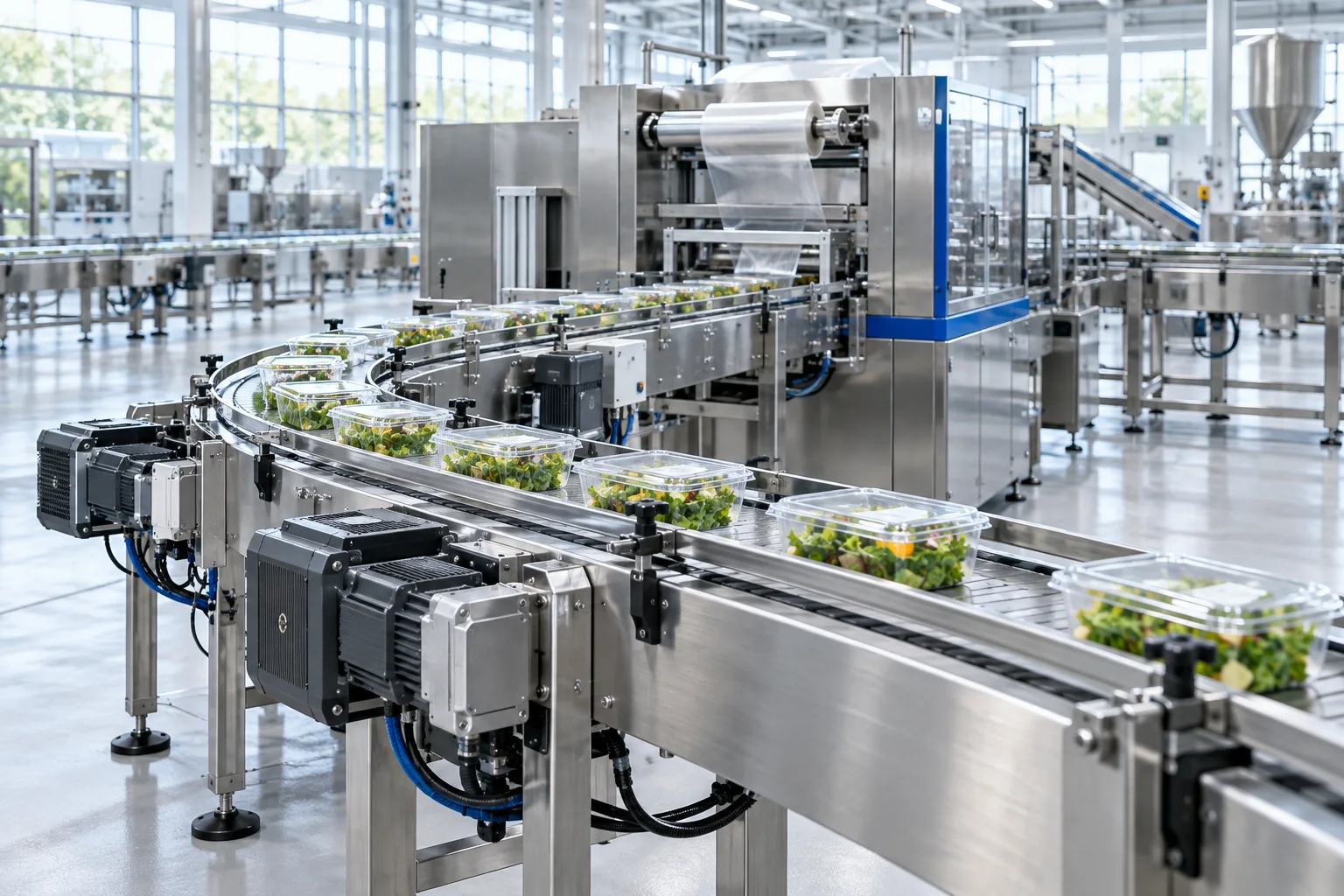
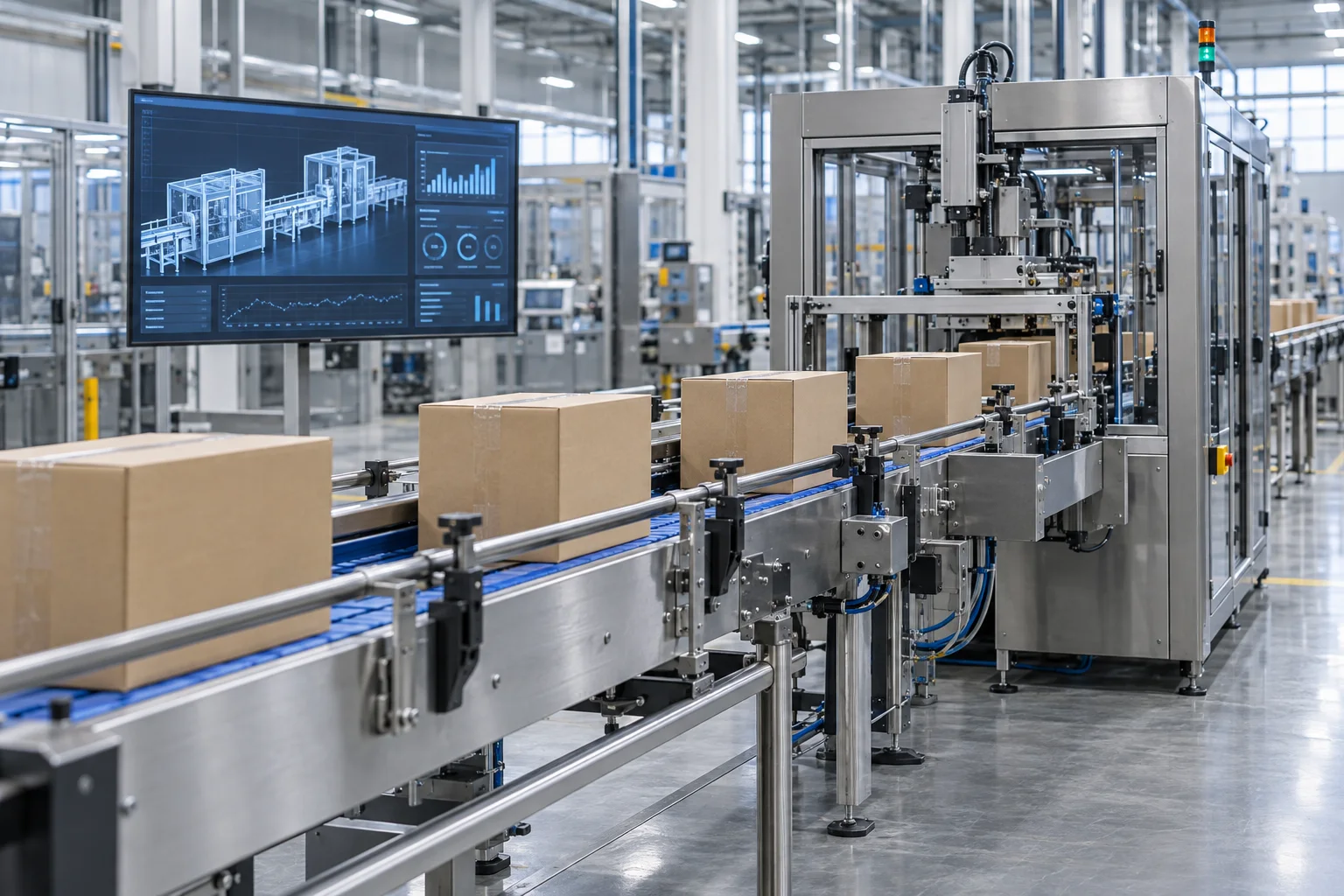
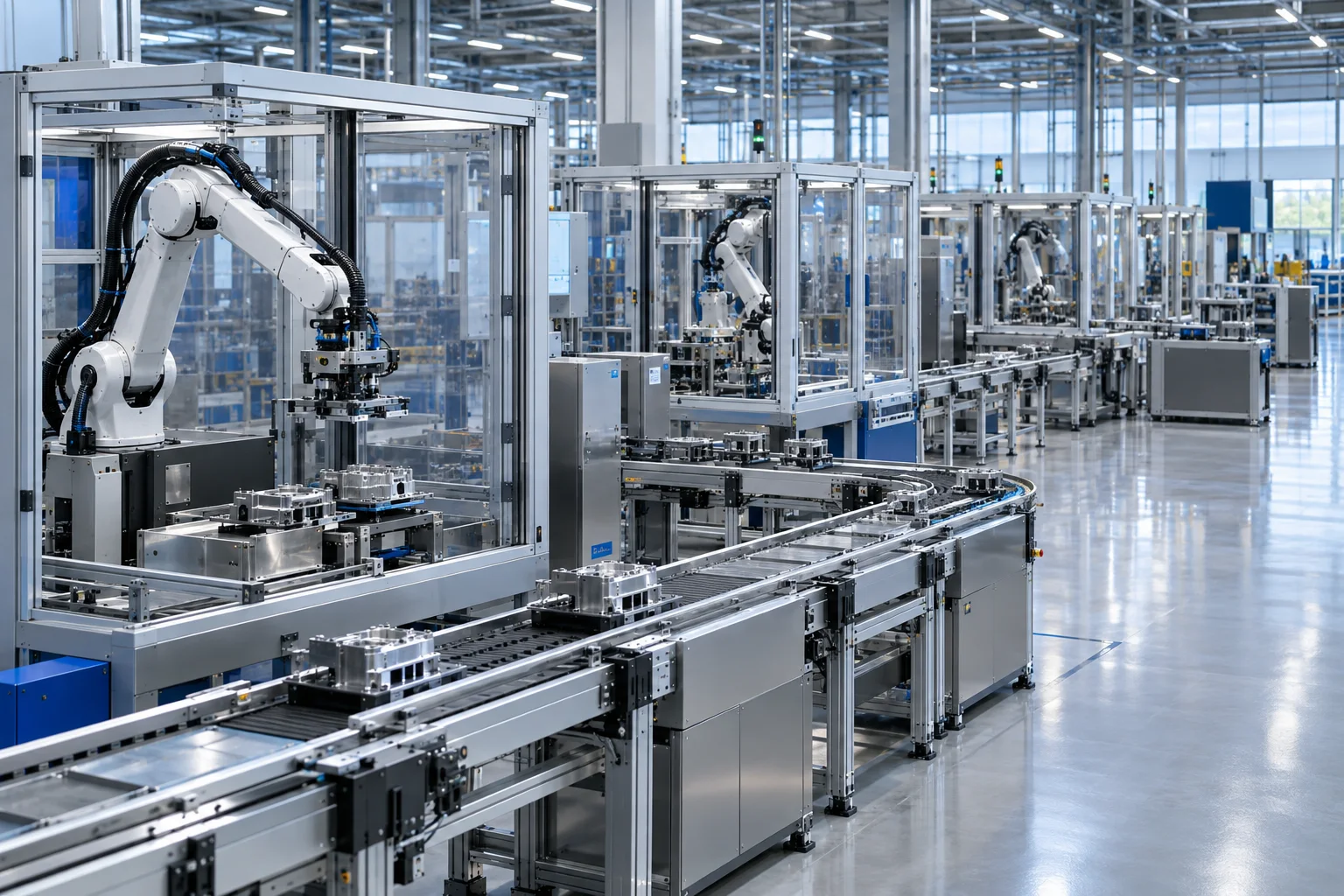
Manufacturers with many SKUs need automation that can change without a full rebuild. Modular cells create a practical middle ground between manual work and rigid dedicated lines.
Key Data Points
| Topic | Planning Note |
|---|---|
| Core design idea | Standard interfaces between independent cells |
| Changeover priority | Tooling, recipes and safe access |
| Scale path | Add stations as volume and product mix change |
Separate the repeatable tasks
Case packing, palletizing and inspection often benefit from modular cells because the task stays stable while the product mix changes.
Standardize the interfaces
Conveyor height, controls, guarding and data handshakes are the foundation of a cell that can be moved or extended.
Keep the operator in the loop
Good automation makes abnormal conditions clear and safe rather than hiding them behind a complex sequence.
Prove the hard SKU first
Testing the most difficult product or format early gives the project a more honest view of tooling and cycle time.
Build a roadmap, not a monument
A modular first phase can protect cash flow while leaving a clear route to more automation later.