Why It Matters
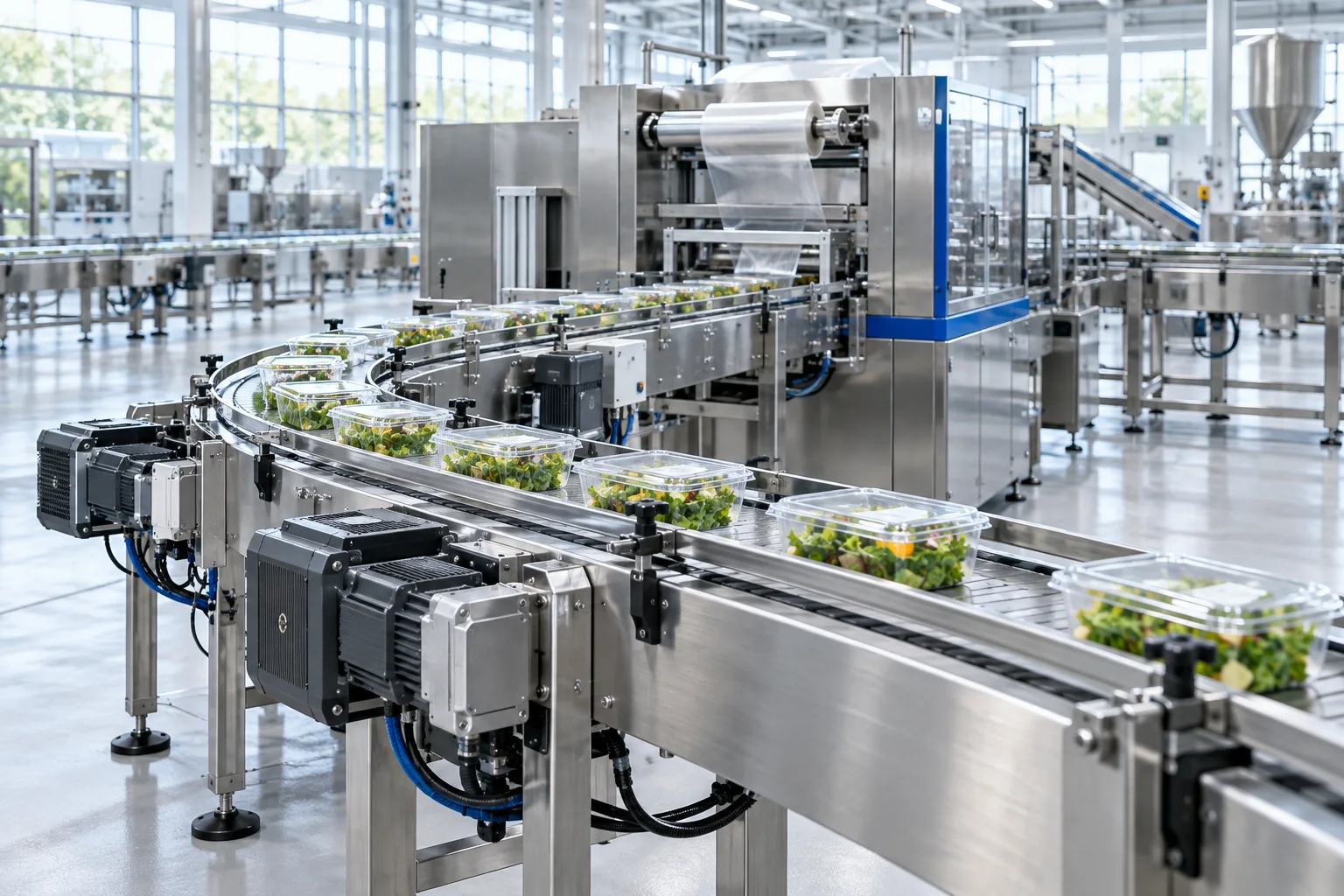
A practical production line begins with measurable targets. Before equipment is selected, the data model should describe product flow, cycle time, changeovers and acceptance criteria.
Key Data Points
| Topic | Planning Note |
|---|---|
| Planning focus | Throughput, OEE and changeover assumptions |
| Useful input | Product samples, packaging drawings and site constraints |
| Decision output | A line architecture that can be tested before build |
Start with the product path
The same machine can perform very differently depending on product fragility, accumulation and handoff conditions. Mapping the path first prevents isolated equipment decisions.
Define the numbers that matter
Target speed is only one number. Agree on good units, reject logic, planned stops, changeover time and operator access so the project has a shared baseline.
Use simulation as a conversation tool
A simple digital layout or cycle-time model helps teams identify bottlenecks and service access before steel is ordered.
Connect controls to acceptance
The control narrative should explain how stations start, stop, recover and report faults. That makes the FAT more objective.
Keep the data useful after handover
The best project data becomes the foundation for dashboards, preventive maintenance and future line extensions.